
Student Stories

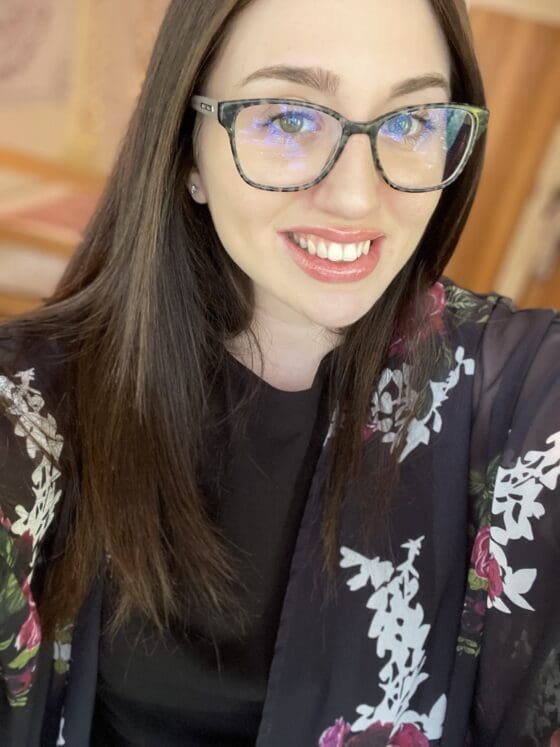
Keyonee Morris

Keyonee Morris 1180 1527 College Promise Coalition

“Without the Washington College Grant, my education journey would have been much harder.”

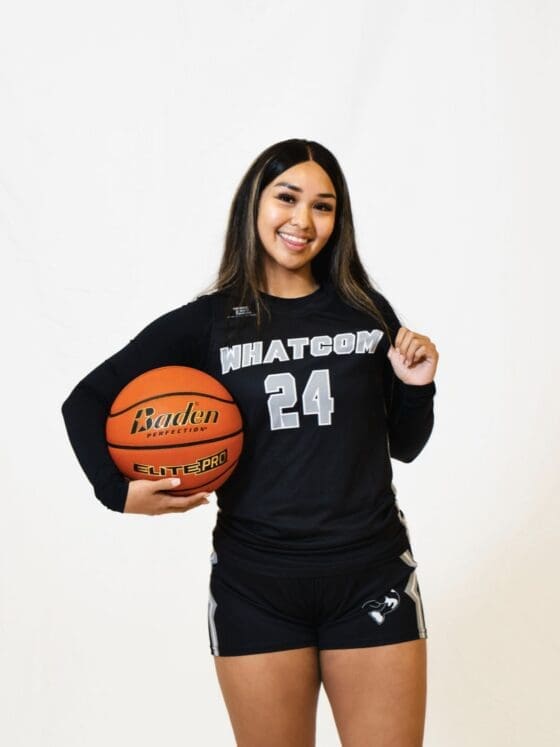
Keyonee Morris is a Washington College Grant recipient and a student at Whatcom Community College, where she is studying accounting and preparing to graduate this spring. She plans to continue her education at Western Washington University and pursue a career supporting her community through financial literacy and accounting. In this Q&A, Keyonee shares how financial aid reduced financial stress, her experiences as a first-generation college student, and her commitment to giving back to her community.

What’s your name, what school do you attend, and what are you studying?

My name is Keyonee Morris, and I currently attend Whatcom Community College, where I am studying accounting. I plan to graduate with my AA this spring and then continue my education at Western Washington University, where I will keep pursuing my degree in accounting.

What are your career or education goals after college?

After college, my goal is to come and work for my tribe, the Lummi Nation, in the accounting field. I want to use what I’ve learned to support my community financially and help educate others about financial literacy, because I feel like that knowledge isn’t taught enough.

What inspired you to pursue college or training after high school?

What inspired me to go to college after high school was being a first-generation college student. I always knew I wanted to continue my education, so I made a promise to myself to take the necessary steps to make that happen. Knowing I would be the first in my family to attend college motivated me to stay focused and work hard toward my goals.

Have there been any challenges along the way? What helped you overcome them?

Yes, I’ve faced challenges along the way, like being a first-generation college student and learning how to navigate college on my own. Balancing school, work, basketball, and personal responsibilities has also been hard at times. What helped me overcome these challenges was staying focused on my goals, asking for help when I needed it, and remembering that I’m working to create opportunities for myself and my community.

Are there any classes, programs, or people who’ve helped you figure out your path?

My academic advisor at Whatcom Community College has been a big help, and every teacher has always been so supportive when I asked for extra help. My whole community has also encouraged me; they just want to see me succeed. The Writing and Math Center at Whatcom Community College has helped a lot too, and it’s open to all Whatcom students!

You’re a recipient of the Washington College Grant. How did you first hear about it?

I didn’t know about the Washington College Grant at first. I only found out when I received an email from Whatcom Community College about my financial aid awards, and that’s when I learned I was eligible and how much it could help me with college costs.

What was your reaction when you found out you qualified for the WA Grant?

When I found out I qualified for the Washington College Grant, I was really excited and relieved. It made me feel supported and motivated, knowing that I would have help covering my college costs and could focus more on my education without worrying as much about finances.

How has receiving the WA Grant impacted your ability to pursue college or training?

Receiving the Washington College Grant has made it much easier for me to pursue college. It has reduced the financial stress of paying for tuition, which lets me focus more on my classes and my goals. Because of the grant, I felt more comfortable taking on 20 credits to graduate. Taking more credits can cost more, but that was something I didn’t have to worry about. I took a 20-credit quarter in the winter, and now I have one more in the spring.

Has the WA Grant allowed you to make choices you otherwise couldn’t have made?

Yes! Without the Washington College Grant, I don’t think I would have committed to Western Washington University. I know that attending a university will be more costly, but receiving this grant makes me feel supported and confident that I can manage the costs. It will help me a lot in continuing my education.

What would your education journey look like without the WA Grant?

Without the Washington College Grant, my education journey would have been much harder. I would have had to work more hours or take on more loans to afford tuition, which could have made it harder to focus on my classes. I might not have felt able to commit to Western Washington University yet, and I would have had more stress trying to balance school and finances.

What do you wish more students knew about the Washington College Grant or financial aid in general?

I wish more students knew how much support there is out there and how important it is to fill out the FAFSA. I also wish they knew that the Washington College Grant and other financial aid programs are designed to make college more affordable. Many students don’t apply because they think they won’t qualify or don’t understand how it works. Knowing about these resources can take a lot of stress off students and make it easier to focus on learning and reaching their goals.

What advice would you give to other students thinking about applying for financial aid?

I would tell other students to apply for financial aid as early as possible and not to be afraid to ask questions. Even if you’re not sure you’ll qualify, it’s worth applying because programs like the Washington College Grant can make a big difference. Also, take advantage of advisors, resources, and support centers at your school. They can help guide you through the process and make it much easier.

What are you most excited about for your future?

I’m most excited to graduate this spring with my AA and continue my education at Western Washington University. It feels great to reach this milestone and look forward to the next steps in my academic journey.

How do you hope your education will help you make a difference—in your family, community, or field?

I hope my education will help me be a role model to younger kids in my community. Coming from a small tribal school, graduating high school is already a big achievement, and I want them to know that college is possible too. I hope they see that there is a lot of support available and feel encouraged to pursue their own education and goals.
Share this story

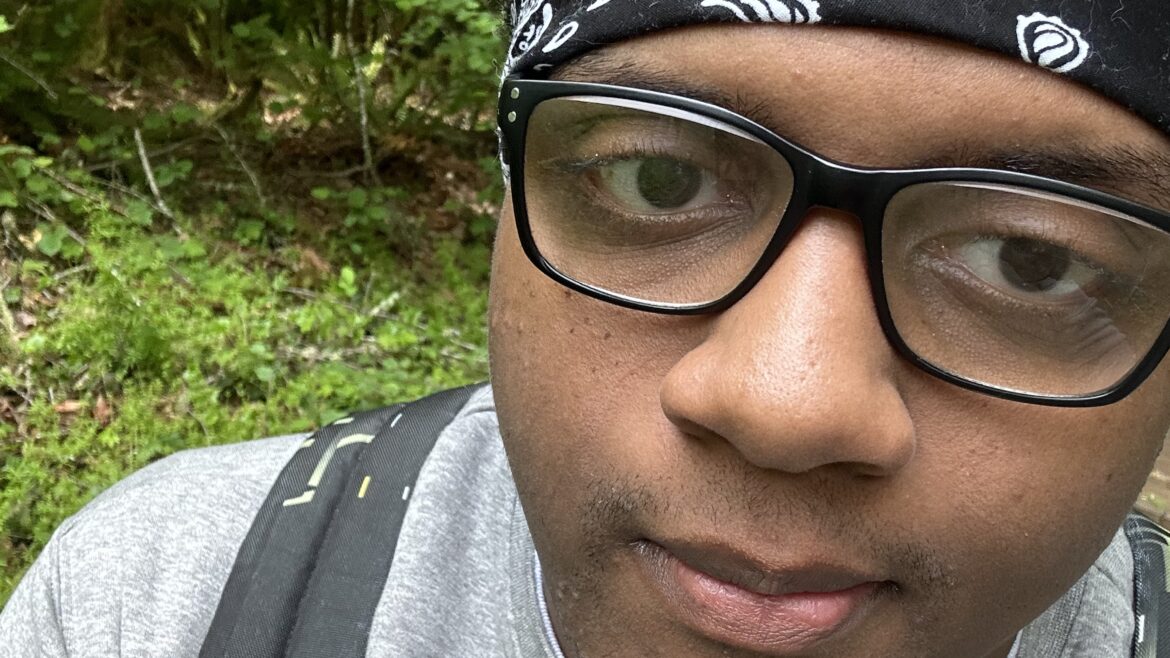
Diego Gonzalez

Diego Gonzalez 1916 1920 College Promise Coalition

“Without the WA Grant, I would probably not be able to go to college.”

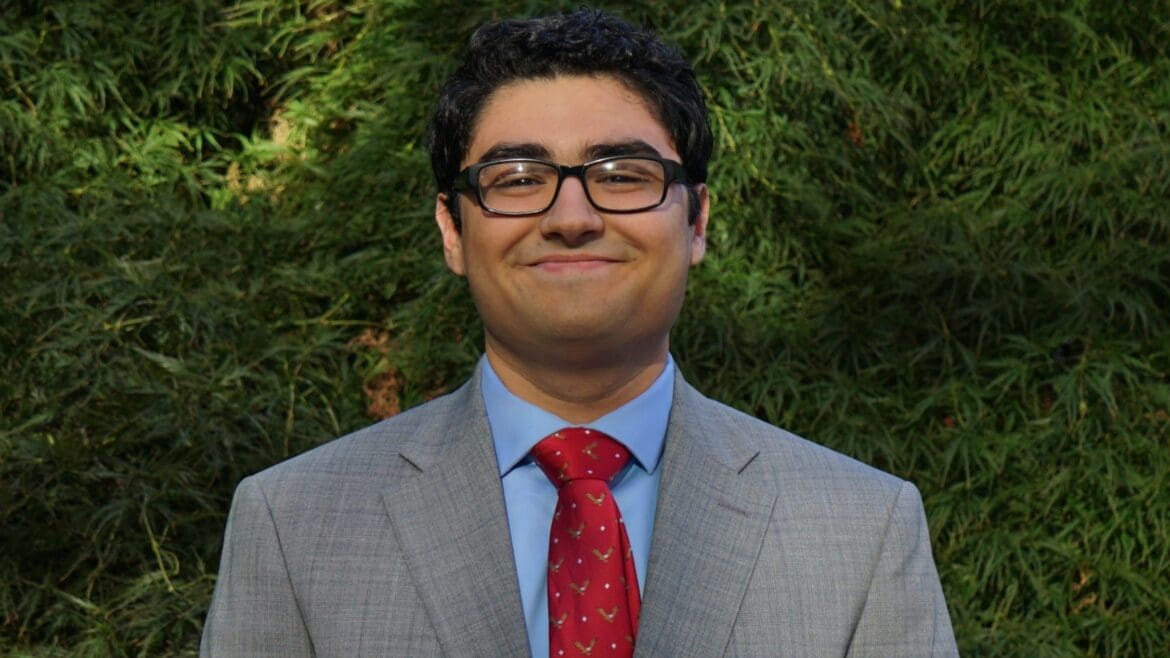
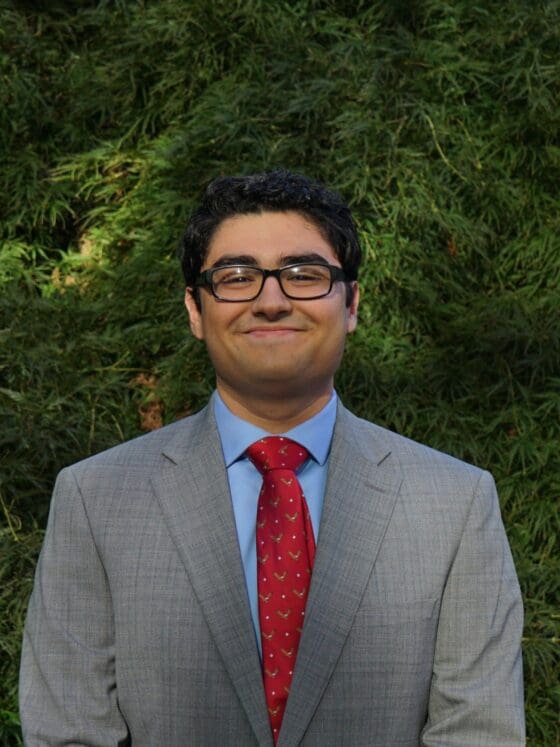
Diego Gonzalez is a Washington College Grant recipient and a third-year student at Seattle University, where he is majoring in Criminal Justice and graduating this year. As he prepares to apply to law school, Diego is focused on becoming an attorney and serving his Washington community. In this Q&A, he shares how financial aid made college possible, his experiences as a first-generation student, and his commitment to giving back through service and advocacy.

What’s your name, what school do you attend, and what are you studying?

My name is Diego Gonzalez. I am a third-year student at Seattle University, majoring in Criminal Justice and graduating this year!

What are your career or education goals after college?

After getting my bachelor’s degree, I will be applying to law schools as I want to become an attorney and serve my Washington community. I am also interested in eventually obtaining a Ph.D.

What inspired you to pursue college or training after high school?

I think the main thing that inspired me to pursue college right after high school is to improve my quality of life through a degree. Not only does a degree increase my financial opportunities, but it also helps me grow as a whole person as I learn more about ethics, philosophy, religion, history, politics, etc. I would like to believe that I am a lifelong learner.

Have there been any challenges along the way? What helped you overcome them?

I think the biggest challenge in college life for me has been not knowing a lot of things about college. As a first-gen student, I don’t know how to advocate for myself for certain things like scholarships or housing. I was very fortunate that Seattle University has the CLP+ program which introduced me to a lot of useful programs on campus. Also, there are extremely helpful people on and off campus who have supported me and provided me with guidance on issues that I have run into.

Are there any classes, programs, or people who’ve helped you figure out your path?

I think a ton of people from Lake Washington School District helped me figure out that college was for me. Mr. Hayes from Redmond High School was my homeroom teacher and was extremely supportive of me going to college. He told me that I would do good there, which meant a lot because he had a doctorate and had that experience in higher education. People from my high school Latino club, like Judith Mercado, and the Equity department at LWSD, like Pablo and Sergio, also helped. The Hispanic Scholarship Fund’s Youth Leadership Institute also really helped me out and talked more about private universities which I more or less ruled out at the time because of the cost.

You’re a recipient of the Washington College Grant. How did you first hear about it?

I first heard about the Washington College Grant as a senior in high school when I received my financial aid package from Seattle University. I didn’t know that much about it until I became an ICW fellow, and I learned more about its importance.

What was your reaction when you found out you qualified for the WA Grant?

I grew up low-income, so it wasn’t really a surprise to find out that I qualified for the WA Grant, but I was surprised about its existence. I think it is very cool that Washington is investing in low-income students like me. That said, I was a little shocked when I found out there have been cuts to the WA Grant through the Washington State Legislature. As an ICW fellow, I have had the opportunity to advocate against those cuts. While they won’t apply to me since I’m about to graduate, I hope that our legislators can continue to prioritize Washington students, so that they have the opportunities that I now have.

How has receiving the WA Grant impacted your ability to pursue college?

Without the WA Grant, I would probably not be able to go to college. My ability to pursue college is entirely based on finances. I love learning and I do well in school, but that doesn’t matter if I can’t pay tuition every quarter. My family cannot afford to pay for my schooling, so I am very lucky that the WA Grant helps to cover my costs in attending Seattle University.

Has the WA Grant allowed you to make choices you otherwise couldn’t have made?

The WA Grant allows me to be more involved on campus. I am the Student Body President and the Vice President for Circle K International. It also allows me to volunteer off campus through Operation Nightwatch and as a Board Member for El Centro Cultural Mexicano. Because the grant reduces the financial burden of school, it means that instead of working, I can serve my community. It also allows me to keep good grades. I have a 4.0 GPA right now because I don’t have to spend my days or nights working. I can study during the time that others have to work. Both my extracurriculars and grades, which the grant supports, allow me even more opportunities for other scholarships, further reducing the financial cost of obtaining my degree.

What do you wish more students knew about the Washington College Grant or financial aid in general?

I wish more students, especially low-income students, knew about how much financial aid was out there. There are some scholarships that are merit-based, but there are also some where they care more about your struggles and story. I feel that too many students decide not to even think about a degree because of the impossible cost. So, I want them to know that there are people, institutions, and organizations that can and will support them if they want to go to college.

What advice would you give to other students thinking about applying for financial aid?

I would advise students thinking about applying for financial aid to spend some time researching scholarships locally. I think a lot of students think of national scholarships and then they feel like they can’t compete against the thousands of students applying for the same scholarship. I would recommend looking at local businesses, non-profits, etc. for scholarships. Also, ask the colleges you are interested in for resources. They could point you in the direction of scholarships that you are eligible for. Some universities also have “full ride” scholarships. Seattle University, for example, has the Sullivan Scholarship which also has really cool benefits of being a Sullivan Scholar.

What are you most excited about for your future?

I am most excited about going to law school and helping my community as an attorney. I am also excited about giving back to my community through new ways with a bachelor’s degree and a JD.

How do you hope your education will help you make a difference—in your family, community, or field?

I know that my degree will help financially support my family. My degree gives me more economic opportunities that can benefit my entire family. But my education will also help my community. I want to help serve my local Seattle/Washington community as an attorney. I also want to provide pro bono work to support families with financial need like myself.

Share this story

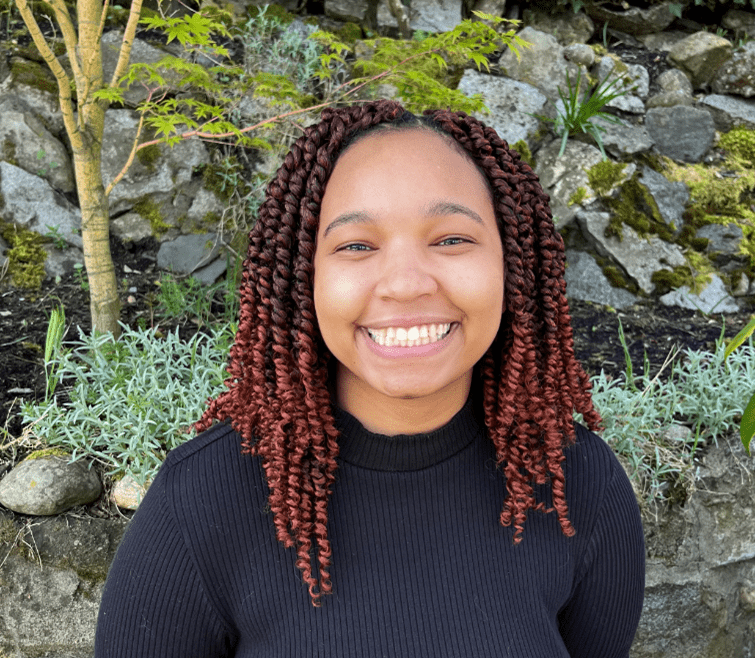
Isabelle Victoria Esposito

Isabelle Victoria Esposito 1440 1920 College Promise Coalition

“Just because my educational journey was hard did not mean that I had to give it up. I had to work through it, and in the end, I rose to the occasion and became resilient.”

Isabelle Victoria Esposito is a Washington College Grant recipient who recently graduated from Pacific Lutheran University, where she double majored in Political Science and Religion. Now working as a Medical Coordinator at Peninsula Community Health Services and preparing for law school, Isabelle is pursuing a future in healthcare policy. In this Q&A, she shares how financial aid, her passion for public service, and the support of her family shaped her path through higher education.

What’s your name, what school did you attend, and what did you study?

My name is Isabelle Victoria Esposito, and I recently graduated from Pacific Lutheran University in Tacoma, WA, double majoring in Political Science and Religion.

What are your career or education goals following graduation? (if you’re currently working, please specify what your role is)?

Since graduating in May 2025, I have begun my role as a Medical Coordinator at Peninsula Community Health Services (PCHS) on the Kitsap Peninsula. What I love most about my current job is the versatility of the company. We are a Federally Qualified Health Center (FQHC) that was first established in Bremerton during the 1980s, and Bremerton is my hometown! They started out as a community health center with no regard for ability to pay or health insurance status, and many of those principles remain. This means that PCHS was deliberately designed as a type of nonprofit healthcare in which people below the poverty line, those who have faced language barriers and discrimination in their healthcare journey, and those from humble beginnings can obtain the same high-quality healthcare as they would from a private or corporate provider. Also, PCHS reflects my own values: providing services that extend beyond standard healthcare services such as legal representation, food access, housing, transportation, financial assistance, voter registration, health education, youth and adolescent care, long-term and disability care, and substance abuse treatment in addition to medical, dental, behavioral, and pharmacy care. They acknowledge the full scope of what it means to care for one’s health. Working alongside nurses and doctors is preparing me to better understand the current state of our healthcare in the United States. Currently, I am spending most nights after work studying for the LSAT, and I will be applying this fall to a list of law schools across the West Coast for admission in 2027. After obtaining my Juris Doctor (JD), I hope to improve healthcare policy for the State of Washington.

What inspired you to pursue college after high school?

I have grown up in Washington almost all my life, as I am a PNW native, and I went to Olympic High School on the Kitsap Peninsula. Pacific Lutheran University is exactly where I wanted to attend for college because I had a dream, and that dream was to pursue my education and find my purpose through the endless opportunities that would become available to me. I never could have imagined these possibilities if it had not been for PLU specifically. In high school I had a deep dualistic passion for both religion (my faith in God) and U.S. government and politics. It worked out perfectly when I discovered I could double major in both fields, even if I end up pursuing law as my primary career. I am the first in my family to graduate from a nonprofit private liberal arts university, and that is a huge accomplishment for myself and my family.

Have there been any challenges along the way? What helped you overcome them?

Absolutely, there have been challenges. Mostly financial struggles, as PLU is a private school and I always had to work jobs in between summers and breaks and such in order to fight for my education. What helped me the most, and still continues to do so, is the unconditional love and support of my mom. She has been my rock throughout all five years, and my family in general has encouraged me to stay in school and keep working hard. One of the biggest lessons I have learned from that is making the choice to not wait to take good care of myself. It’s important to still prioritize your mental, emotional, spiritual, and physical health even while attending higher education. It can be a real struggle, it’s not easy nor perfect, but it is totally possible. Just as my mom says, there are always options. The end of you is when there are no options. Look for the gray in the middle of the black and white. Just because my educational journey was hard did not mean that I had to give it up. I had to work through it, and in the end, I rose to the occasion and became resilient.

Are there any classes, programs, or people who’ve helped you figure out your path?

Absolutely! I cannot credit my hard work to my education without honoring those who have come before me, and have lovingly guided me along this journey. I would like to thank the entire Religion Department at PLU, especially my helpful advisors, mentors, and professors, Dr. Marit Trelstad, Dr. Micah Miller, Dr. Samuel Torvend, and Dr. Agnes Choi, in helping me realize more fully my theological and philosophical passion for religion. The wonderful Political Science Department has been my primary motivators, Dr. Maria Chavez and Dr. Michael Artime, as their phenomenal teaching style and curriculum has also helped me realize my equal passion for the law and litigation. All of these faculty members are personal, passionate, patient, and unwavering in fighting for my education alongside me.

You’re a recipient of the Washington College Grant. How did you first hear about it?

I first heard about the Washington College Grant in my senior year of high school, so in 2019-2020. I heard some other people at my school talking about how they were born and raised here (even though it is not required of you to be born in Washington to be eligible for the grant), and they mentioned this thing called the WA College Grant. I knew nothing about it until I got accepted into PLU and saw on my financial statement that I would be receiving it starting my first year at PLU.

What was your reaction when you found out you qualified for the WA Grant?

I was very grateful. I had no idea it even existed, and when I saw that it was a large amount being added to my tuition and other expenses, I was even more appreciative. This would be the beginnings of my learning about how state government has more of a direct impact on college students.

How has receiving the WA Grant impacted your ability to pursue college? What might your journey have looked like without it?

It has given me more leverage and room to work with in terms of covering a lot of my expenses, so that I didn’t need to work myself to death as much over the summers and breaks. I still had to work and I learned a lot and gained independence and strength from it, but the grant also covered a lot! This made it possible for someone like me to survive and thrive through PLU without burning myself out quickly.

I’m not sure how I would have been able to attend PLU without it. I thank my state legislators for it and urge them to continue prioritizing Washington students so that everyone has access to the opportunities I had.

What do you wish more students knew about the Washington College Grant or financial aid in general?

I cannot stress this enough: I highly encourage younger college students who are new to and just entering college (like I was for the first time) to learn about your state’s priorities. Is it a priority for your state (WA for example) to make it possible for high school graduates to attend colleges and universities that suit your future career goals, set you up for success, and make your family proud? For example, no one in my family had attended a private university, and I knew that although it would be financially difficult for me (a harder path to take), it was still possible. I also learned that the WA College Grant is one example of WA State prioritizing higher education as part of their policy agenda, though changes in funding (as we’ve seen in recent legislative sessions) can affect how students access those opportunities. Definitely learn about your state’s government and what is important to them, because you actually have the power to make a difference by talking with them! You are their constituent, and you have the power to persuade them in their policy goals. It’s one of many amazing ways to use your civic engagement to your advantage.

What advice would you give to other students thinking about applying for financial aid?

Do it! Think of it like this: You are investing in yourself. When you have all the support that you need, financially for school, you are setting yourself up for success to obtain the degree that you want and deserve, and you are more likely to find a job that pays you higher, and you will be able to pay off that investment. And, by utilizing financial aid, you are actively reminding your state of the prioritization of their policy goals: while we students invest in ourselves, the state will continually invest in us too.

What are you most excited about for your future?

I am most excited about using my degrees for further advancement in law school, so that I can participate in the full circle that I believe in: Investing in my own education so that I have something to pour from my cup to invest in other students’ educations someday. I plan on being a donor to PLU.

How do you hope your education will help you make a difference—in your family, community, or field?

I think my education will help me to provide for my future kids on a stable financial level, and I will also be able to give back to my mom like I have always dreamt of. My education will not only fiscally make a difference, but it will intellectually and psychologically add to the world around me.

Share this story

Tamariya Smith

Tamariya Smith 366 366 College Promise Coalition

“I wish more students knew that the Washington College Grant is available to so many people and can make college possible when it might otherwise feel out of reach.”

Tamariya Smith is a Washington College Grant recipient pursuing her passion for early childhood education. She recently earned her Associate of Applied Science (AAS) degree and is continuing her studies at North Seattle College in the Early Childhood Education Bachelor of Applied Science (BAS) program. In this Q&A, Tamariya shares how her passion for helping young learners and the support of financial aid have shaped her journey to higher education.

Can you tell us a little about yourself and where you are in your education journey right now?

My name is Tamariya Smith. I recently graduated with my Associate of Applied Science (AAS) degree and am now continuing my education at North Seattle College in the Early Childhood Education Bachelor of Applied Science (BAS) program.

What are your goals after college?

After college, my goal is to become an early childhood educator and eventually take on a leadership role in education, where I can help shape classrooms that nurture and support young learners.

What inspired you to pursue college?

I was inspired to pursue college because I’ve always had a passion for working with children and wanted to make a difference in their lives. I knew education would give me the knowledge and tools to turn that passion into a career.

What challenges have you faced, and how have you worked through them?

There have definitely been challenges along the way, especially balancing school, work, and personal responsibilities. What helped me overcome them was the support of my family, my instructors, and financial aid resources that made it possible for me to stay in school.

Who or what has been most helpful during your journey at North Seattle?

A few programs and professors at North Seattle have really guided me and encouraged me to pursue the BAS program, which has helped me feel confident about the path I’m on.

The Washington College Grant: Tell us a bit more about it and your reaction when you learned you qualified?

When I found out I qualified, I felt incredibly relieved and grateful, because it meant I could continue my education without so much financial stress. It’s been life-changing because it’s allowed me to continue my studies full-time while focusing on my career goals. Without it, I likely would have had to work more hours, delay my education, or take out loans.

What advice would you give to other students thinking about applying for financial aid?

I wish more students knew that the Washington College Grant is available to so many people and can make college possible when it might otherwise feel out of reach. My advice to other students is to never assume you won’t qualify. Always apply for financial aid. It can open doors you didn’t even think were possible.

Looking ahead, what are you most excited about?

I’m most excited about finishing my BAS program and starting my career as an early childhood educator.

How do you hope to make a difference through your work?

Through my education, I hope to make a difference by supporting children during their most important years of development and being a positive role model for other students in my community who are thinking about pursuing higher education.

Share this story

Marc-Antony Johnson

Marc-Antony Johnson 1440 1920 College Promise Coalition

“Financial aid doesn’t just fund an education. It builds opportunity, and that benefits all of us.”

Marc-Antony Johnson is a Washington College Grant recipient, currently attending the University of Washington Tacoma as part of the Class of 2029. He transferred from Evergreen State College to pursue law and is already active in student groups focused on activism and lobbying at the State Capitol.

Can you tell me a little about your journey to the University of Washington Tacoma?

I transferred from Evergreen State College to UW Tacoma with a clear purpose: to study law. UW Tacoma was the right choice for me, it is credible, close to home, affordable compared to other options, and deeply connected to local communities of color. I knew it was where I could grow both as a student and as an advocate.

What role has financial aid played in making your education possible?

Honestly, I would not be here without financial aid. I live in a household of seven family members, and four of us, myself included, have to work just to make ends meet. Even with that, the cost of college would be out of reach if I did not have the Washington College Grant, scholarships, and other aid. Without it, I would be pressured into working full-time to help my family stay afloat, and I would likely have to step away from school.

Beyond academics, how have you been involved on campus and in the community?

I have already been part of two student groups focused on activism and lobbying at the State Capitol. Those experiences have really shaped my perspective, and I want to carry them forward as I continue my studies.

Looking ahead, what are your long-term goals?

My ultimate goal is to attend law school. But the cost of graduate education is overwhelming. If I had to take on heavy debt just to finish my undergraduate degree, law school would be impossible for me. That is why financial aid is so important.

Why do you believe financial aid matters for Washington students as a whole?

Financial aid is not just about me, it’s about all students in Washington, about our families, our communities, and the state as a whole. Slashing it would hurt everyone. If we want a future where students can thrive, build careers, and give back, we have to keep those doors open. Financial aid does not just fund an education. It builds opportunity, and that benefits all of us.

Share this story

Zari Warden

Zari Warden 755 790 College Promise Coalition

“Without the Washington College Grant, I would’ve worked more hours outside of work-study and felt more financially insecure. I most likely would have taken out an additional loan, which would’ve been an additional financial hardship. I’m lucky to have not experienced that!”

Zari Warden is a Washington Grant recipient, currently attending Pacific Lutheran University and studying Communication (Film and Media) and Gender, Sexuality, and Race Studies, and minoring in music. In this Q&A, she shares the details of her journey to higher education.

Can you introduce yourself and share what you’re studying?

My name is Zari Warden. I attend Pacific Lutheran University. I study Communication (Film and Media) and Gender, Sexuality, and Race Studies. I am also minoring in music.

What are your goals after graduation?

My main career goal after college is to pursue marketing and communications work for nonprofit organizations. My other goals include making and performing my original songs and working on a podcast series I started for my senior capstone.

Why did you decide to go to college?

I initially considered making music full-time, but I didn’t have the resources. So, I applied to various colleges and chose PLU because of my financial aid package. I’m glad I went because I found my passion for content creation and active advocacy work. I learned about my and others’ various identities and communities and gained a new perspective on how I want to live.

What challenges have you faced in college?

The most significant challenge I faced was learning how to prioritize myself, my needs, and the people I wanted in my life. PLU’s counseling center helped me get on track to find a full-time therapist. Also, taking the ideals from my Gender, Sexuality, and Race classes, such as rest being resistance, finding pleasure, and building meaningful relationships, helped me combat the urge to partake in grind culture, unrealistic expectations, and harmful interactions.

When did you first learn about the Washington College Grant? How did you feel when you found out you qualified?

I hadn’t heard about the Washington College Grant until I read my financial aid package from PLU. All I knew then was that I received additional support because of my family income and that the state helped me, but I didn’t have any other details. Nonetheless, the grant saved me SO much money these past four years. When I learned I qualified, my reaction was, “Great, I won’t be in as much student loan debt!” And that goes for all of my financial aid from the state and federal levels. That financial support lifted a massive weight off my shoulders.

Would you have gone to college without financial aid?

My parents expected me to attend college, whether I received financial aid or not. And I didn’t have any other plans. However, the grant alleviated the stress of how much I would’ve had to pay out of pocket or take out in private loans in addition to my federal loans.

What would college have looked like without the WA Grant

Without the Washington College Grant, I would’ve worked more hours outside of work-study and felt more financially insecure. I most likely would have taken out an additional loan, which would’ve been an additional financial hardship. I’m lucky to have not experienced that!

What do you wish more students knew about financial aid?

I wish more students had more education about financial aid, such as applying for FAFSA. Many underprivileged students don’t know how or have the resources to learn how to apply. I was lucky my mom could help me fill it out, but not everyone has parents or family members who can assist with that process.

What’s your advice for students applying to college?

My advice is to apply, even if it seems scary or overwhelming! If you need resources or assistance, go to someone you trust and ask where or who you can go to for help.

What are you most excited about post-graduation?

I’m most excited to continue impacting the community using the skills and resources I’ve discovered and which I carry with me. I’ve grown a lot in the past four years and learned about relationships between myself and others. I can’t wait to take everything with me as I continue my professional and personal journeys.

How do you hope to use your education in the future?

I aspire to use my education to help people join in solidarity, unity, and communal action. I also hope my education will strengthen my connections with my family, friends, workplace, and community.

Share this story

Colton Nussbaum

Colton Nussbaum 327 330 College Promise Coalition

“Receiving the Washington College Grant changed the question from ‘Can I afford higher education?’ to ‘What school do I want to go to?’”

Colton Nussbaum, a Washington Grant recipient currently attending Whitworth University and studying business management and minoring in music, discusses his journey to higher education in this Q&A!

Tell us a bit about yourself!

My name is Colton Nussbaum, and I go to Whitworth University in Spokane, Washington. I’m a senior, studying business management and minoring in music. After college, I hope to find work in the music business. I want to work with others, building teams to accomplish projects that support an industry that fuels my passion. I have a passion for music and creativity but want to use my business degree for work.

What inspired you to pursue college? Any challenges along the way?

I decided to pursue higher education because after high school, I knew I had more potential to learn. Also, coming from a very small town, I became filled with the urge to get out and see more of the world.

One challenge I faced early on was switching my major. I completed my freshman year as a music major, but by the end of the year, I found myself burnt out. The following summer, I had to make the choice to switch away from what I thought I’d major in. I ended up with an advisor in each discipline, both of whom helped me navigate this decision. Thankfully, I was able to switch to business without complications and take a minor in music.

Are there any classes, programs, or activities that have helped you figure out your path?

At Whitworth, I’ve been president of pep band for two years and vice president for one. My involvement in pep band provides the opportunity to pursue music, even if not a major. The band has also allowed me to find my passion for leading and inspiring others.

You’re a recipient of the Washington College Grant (WA Grant). How did you first hear about it?

I was told about the Washington College Grant when I was in late high school and exploring college as my next step. My high school advisor was helpful, informing me of options and available state assistance. When I discovered the amount of aid I would receive from the Washington College Grant, I was remarkably grateful. I realized that college was really something I could do without excessive financial worry. Above all, I felt inspired and supported to keep learning!

How has receiving the WA Grant impacted your ability to pursue college or training?

Receiving the Washington College Grant changed the question from “Can I afford higher education?” to “What school do I want to go to?” It has allowed me to self-fund my education with part-time work and reduce my overall debt. With the tuition support, I was also able to afford unique opportunities. For example, my junior year, as part of the Wind Symphony, I went on tour to Thailand. Experiencing Asian culture has been impactful for my overall growth and college experience.

Had I not received the WA Grant, I would be much more worried about my student loans than my educational journey—that is if I had attended college at all.

What do you wish more students knew about the WA Grant or financial aid in general?

Washington students should take financial aid seriously. Our state is generous in providing programs, but the work is on you to identify, understand, and apply to these programs. Even if you are unsure about attending college, you should apply for financial aid. It may take financial hardship out of your already big choice about pursuing higher education.

What are you most excited about for your future?

As I approach graduation this spring, I am very excited for change. I’ve kept myself busy in my undergrad and am ready to change the pace to working life.

How do you hope your education will help you make a difference—in your family, community, or field?

My education has prepared me to live out the Whitworth Mission to “honor God, follow Christ, and serve humanity.” Within the diversity at Whitworth, I’ve been able to explore faith in both an individual and a business realm. Inspiring others and building togetherness is what I strive to do in my future. Thanks to Whitworth and the funding that makes it possible, I believe I’m nearly ready to do so!

Share this story

Rodrigo Ortiz Mendoza

Rodrigo Ortiz Mendoza 1280 1920 College Promise Coalition

“Be sure to apply for FAFSA. Just apply—it doesn’t hurt, and you never know what you might qualify for.”

Rodrigo Ortiz Mendoza, a Washington Grant recipient currently attending Western Washington University and pursuing a bachelor’s degree in business with a concentration in Management Information Systems, discusses his journey to higher education in this Q&A!

Can you tell us a little about yourself and why you decided to go to college?

My name is Rodrigo Ortiz Mendoza, and I’m currently attending Western Washington University, pursuing a Bachelor’s degree in Business with a concentration in Management Information Systems. I was born in Guatemala, where education, especially in the small town where I grew up, wasn’t the best. When I was around six years old, my family moved to the United States—a decision that changed our lives forever.

What inspired you to pursue higher education?

My dad always wanted to pursue higher education but couldn’t because he needed to work to support our family. We moved back and forth between Guatemala and the U.S., which made it impossible for him to go to school without sacrificing work. Despite this, my parents always encouraged my siblings and me to focus on school. That encouragement motivated me to study and work hard all the way through high school. I decided to go to college because I want a better future for myself.

What challenges did you face when deciding to go to college?

By my senior year of high school, I realized I had no idea where I wanted to go to college. I was overwhelmed by the cost and even considered not going at all. Coming from a low-income family, we simply didn’t have enough to cover the expenses of sending me and my sister to college without taking on thousands of dollars in loans. I was close to giving up on college and just working full-time, but I knew if I went down that route, I might never return to school.

What changed your mind and made college possible for you?

Thankfully, my high school counselor at Blaine introduced me to financial aid and scholarships. Before that, I didn’t know resources like FAFSA and scholarships even existed. Once I learned about them, I applied to FAFSA, the Washington State Opportunity Scholarship (WSOS), and the WAVE scholarship—and I got them! Thanks to these programs and other scholarships, I’m able to attend college without the burden of overwhelming loans.

Have you had any impactful experiences during college?

Absolutely. I took on a work-study position, which has been an incredible learning experience. Last year, I also worked in an AmeriCorps position at my school and discovered my passion for helping people. These opportunities have shaped my career goals and reinforced my commitment to giving back.

What advice would you give to students considering college?

My biggest advice is to give it your all in high school and even in middle school. Your hard work will pay off—literally! Scholarships are often tied to good grades, and they can make a huge difference in your ability to attend college. Also, be sure to apply for FAFSA. Just apply—it doesn’t hurt, and you never know what you might qualify for. Plus, many scholarships require a FAFSA application as part of the process.

You currently work directly with students. How has that shaped your perspective?

In 2024, I was hired by Futures NW, where I help others navigate the FAFSA application process. It’s an amazing opportunity to guide students and families who might feel uncertain or skeptical about how FAFSA works. Through my story, I can show them that even if you don’t come from a lot of money, FAFSA can open doors you never thought possible.

How do you help students overcome FAFSA challenges?

The FAFSA process can be overwhelming and confusing, which leads some people to give up entirely. Despite its challenges, FAFSA is a game-changer. With my growing knowledge, I help students and families navigate the process, making it easier and less intimidating. It’s incredibly rewarding to know I can make a difference in their lives.

Is there anything else you’d like to share?

I want to thank Futures NW for giving me the opportunity to help others and for opening a new path in my life. I’m grateful to everyone who has supported me on my journey, and I hope my story inspires others to pursue their dreams through education.

Share this story

Leela Cohen

Leela Cohen 392 290 College Promise Coalition

“I was interested in the medical field but unsure how to get a foot in the door. My aunt was working for the Edmonds School District and told me about Career Connect Washington. When I went to an informational meeting for their Career Launch apprenticeship, it seemed like the perfect way for me to learn more about working as a medical assistant while earning money.”

Leela Cohen completed an apprenticeship program with Kaiser Permanente in Bothell.

Share this story

Amanda Eichelberger

Amanda Eichelberger 1101 1098 College Promise Coalition

“It’s really important to think about financial aid as not just this transaction of student and university and state. It’s really building stronger communities and empowering people and creating significant ripple effects that we don’t always consider.”

Amanda is a fourth-year Evergreen State College student and first in her family to attend college. Watch the video below to hear her story.

Share this story

College Promise Coalition

The College Promise Coalition is a broad-based group advocating for increased higher education access and opportunity for Washington students.

© 2026 | Paid for by College Promise Coalition

Follow Us